Our Services
Our services encompass a complete range of mechanical, structural, and maintenance solutions tailored for refinery and industrial operations. From columns, vessels, reactors, heat exchangers, and storage tanks to piping, structures, and scaffolding, we ensure safe, reliable, and efficient execution across all project stages. With a focus on precision, compliance, and turnaround performance, we deliver end-to-end support that keeps your facilities operating smoothly and sustainably.
Columns & Vessels
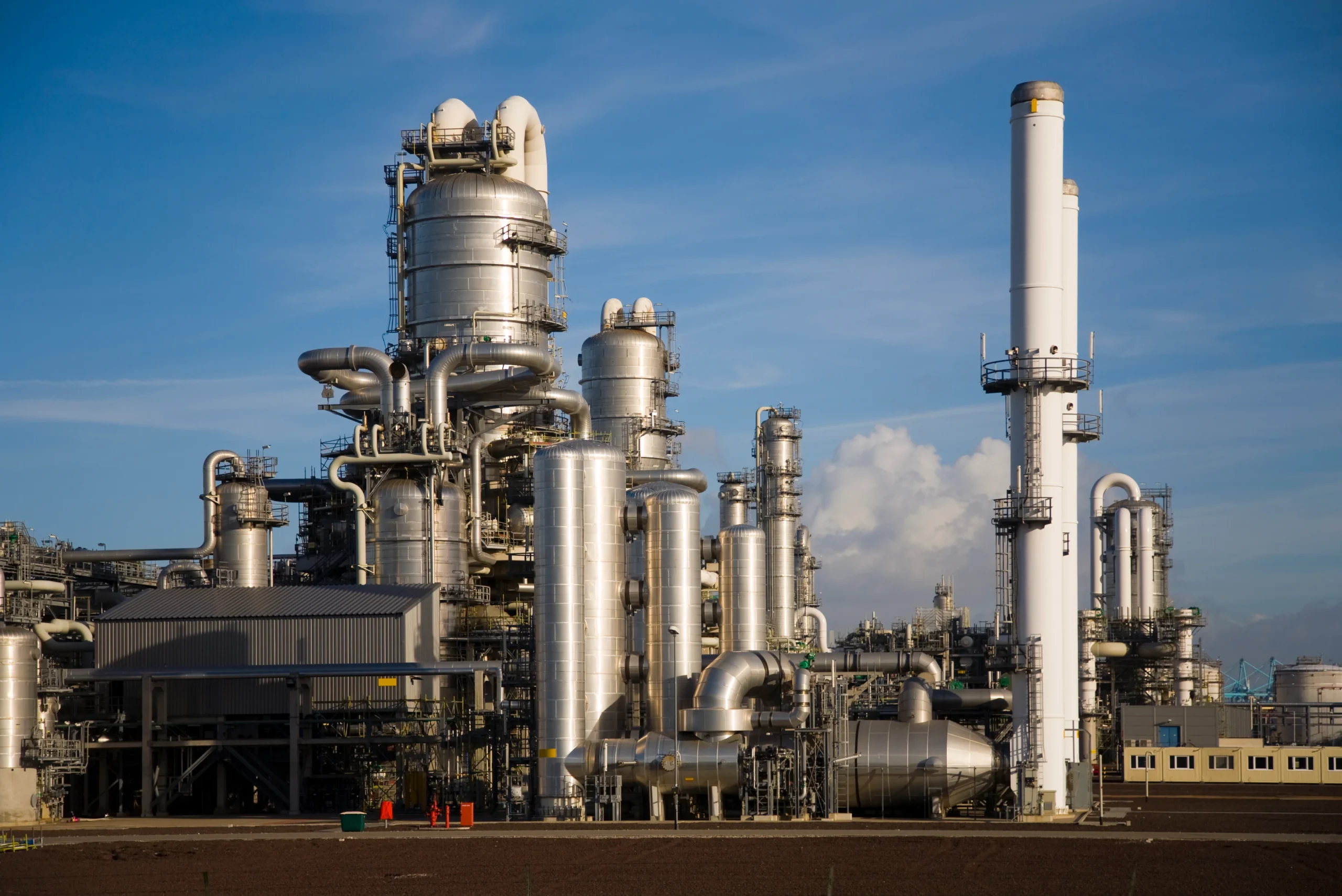
Column and vessel services refer to the specialized mechanical activities involved in the inspection, maintenance, repair, modification, and installation of vertical process columns and pressure vessels used in refinery operations. These components are critical for separation, reaction, and storage processes, and require high standards of safety, precision, and compliance.
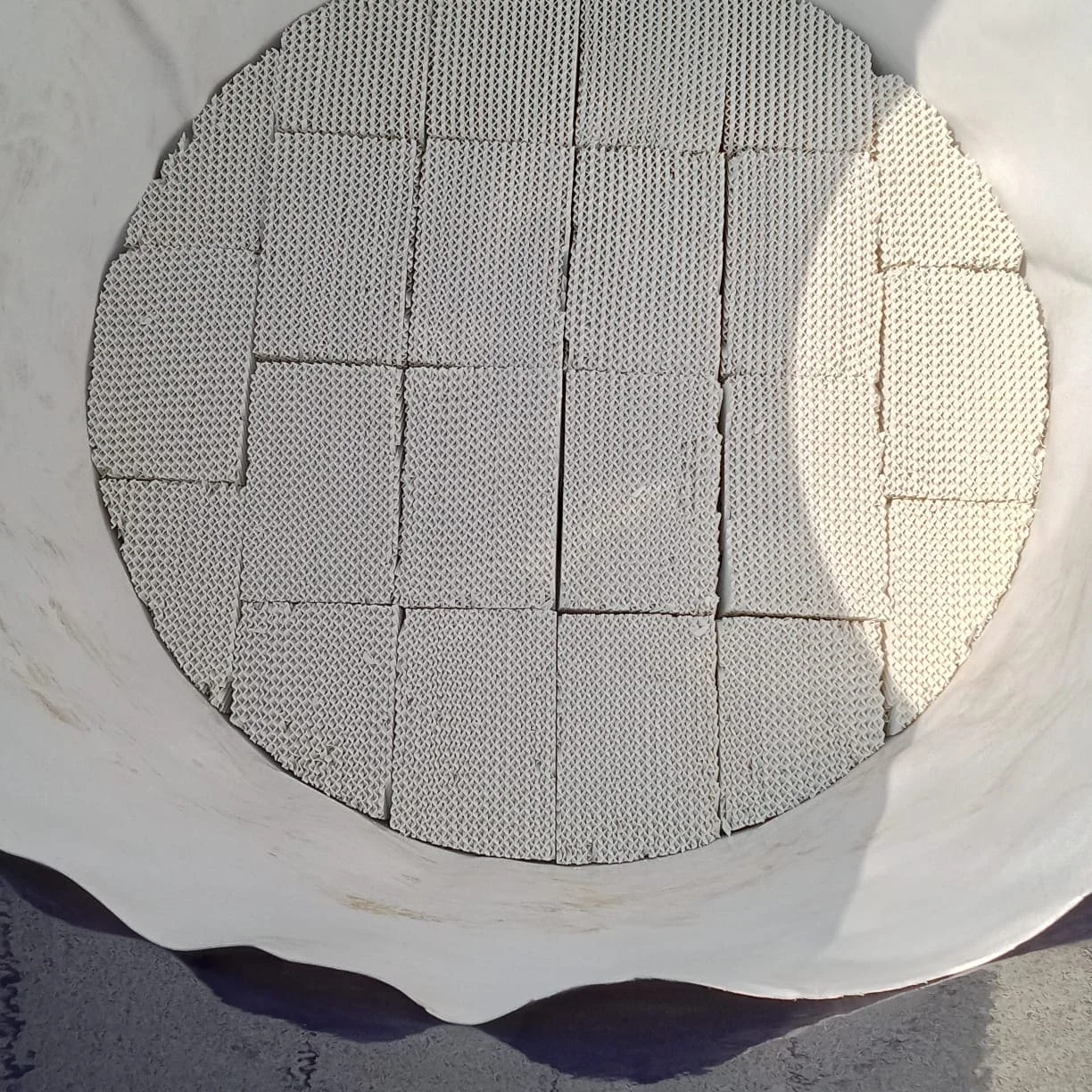
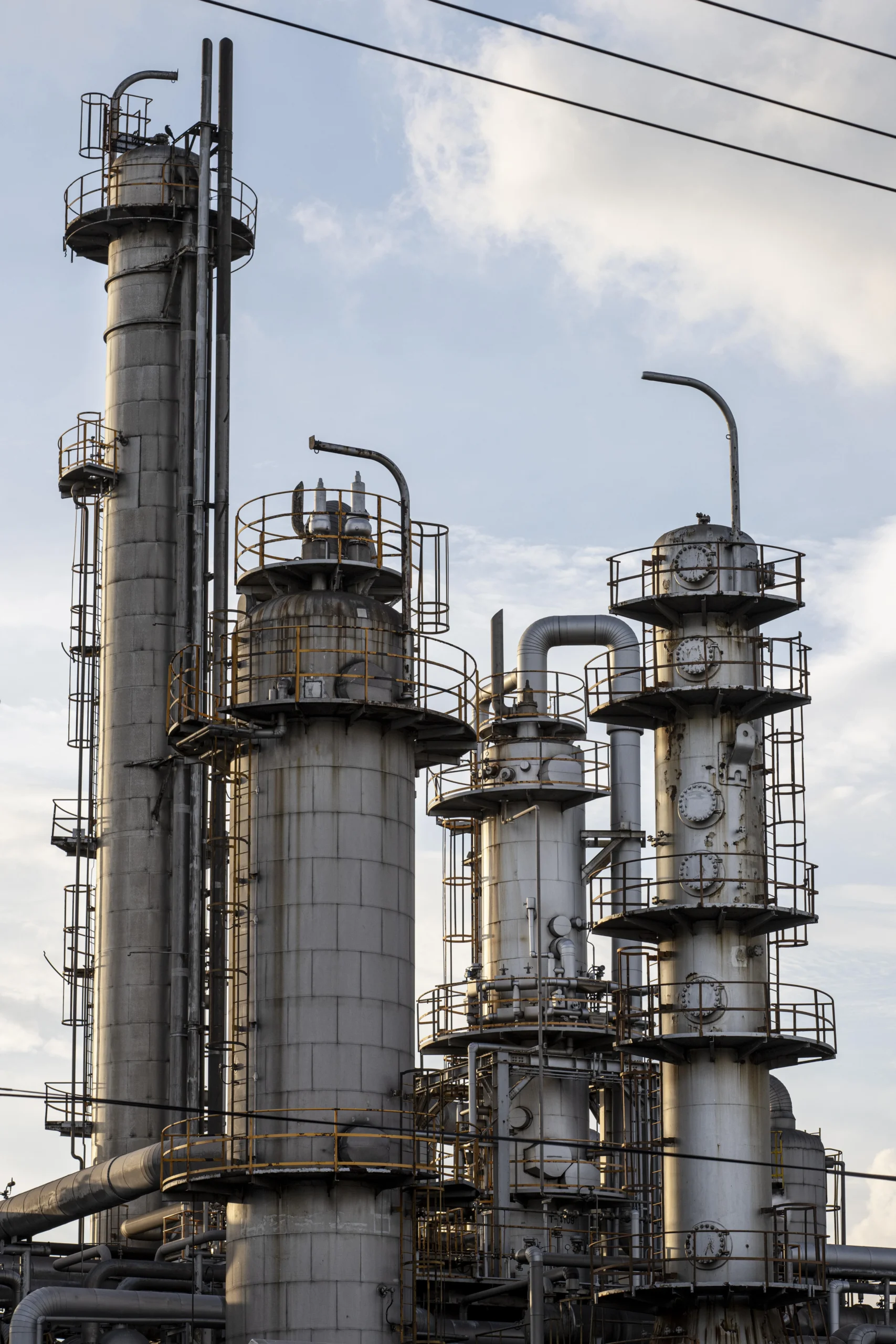
At SnC Infratech, our column and vessel services are designed to ensure the mechanical integrity, operational reliability, and process efficiency of critical refinery equipment. We specialize in the inspection, maintenance, repair, and modification of vertical process columns and pressure vessels, which play a vital role in separation, reaction, and storage across refinery units.
Reactors
In refinery operations, a reactor is a pressure vessel designed to facilitate controlled chemical reactions under specific temperature and pressure conditions. These reactions are essential for converting raw hydrocarbons into valuable products such as fuels, lubricants, and petrochemicals.
Reactors are engineered to handle high temperatures, corrosive environments, and complex flow dynamics, making them critical assets in units like hydrocrackers, hydrotreaters, reformers, and catalytic converters.
Heat Exchangers
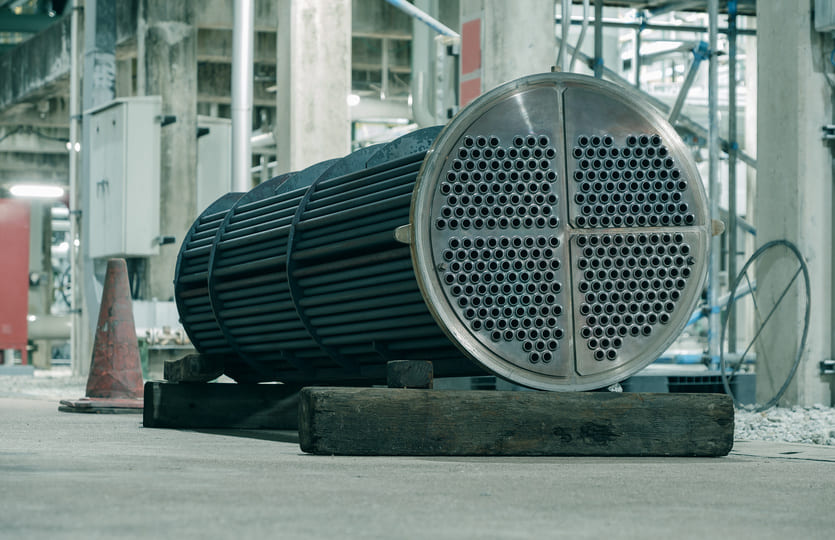
A heat exchanger is a mechanical device used to transfer thermal energy between two or more fluids without direct contact between them. In refinery operations, heat exchangers are critical for optimizing energy efficiency, controlling process temperatures, and supporting various unit operations such as distillation, cracking, reforming, and product cooling.
Heat exchangers in refineries come in various configurations—most commonly shell-and-tube, plate-type, and air-cooled designs—each selected based on process requirements, fluid properties, and operating conditions. Shell-and-tube exchangers are widely used due to their robustness and ability to handle high pressures and temperatures. These units consist of a bundle of tubes enclosed within a shell, where one fluid flows through the tubes and another flows over them within the shell, facilitating efficient heat transfer.
Storage Tanks
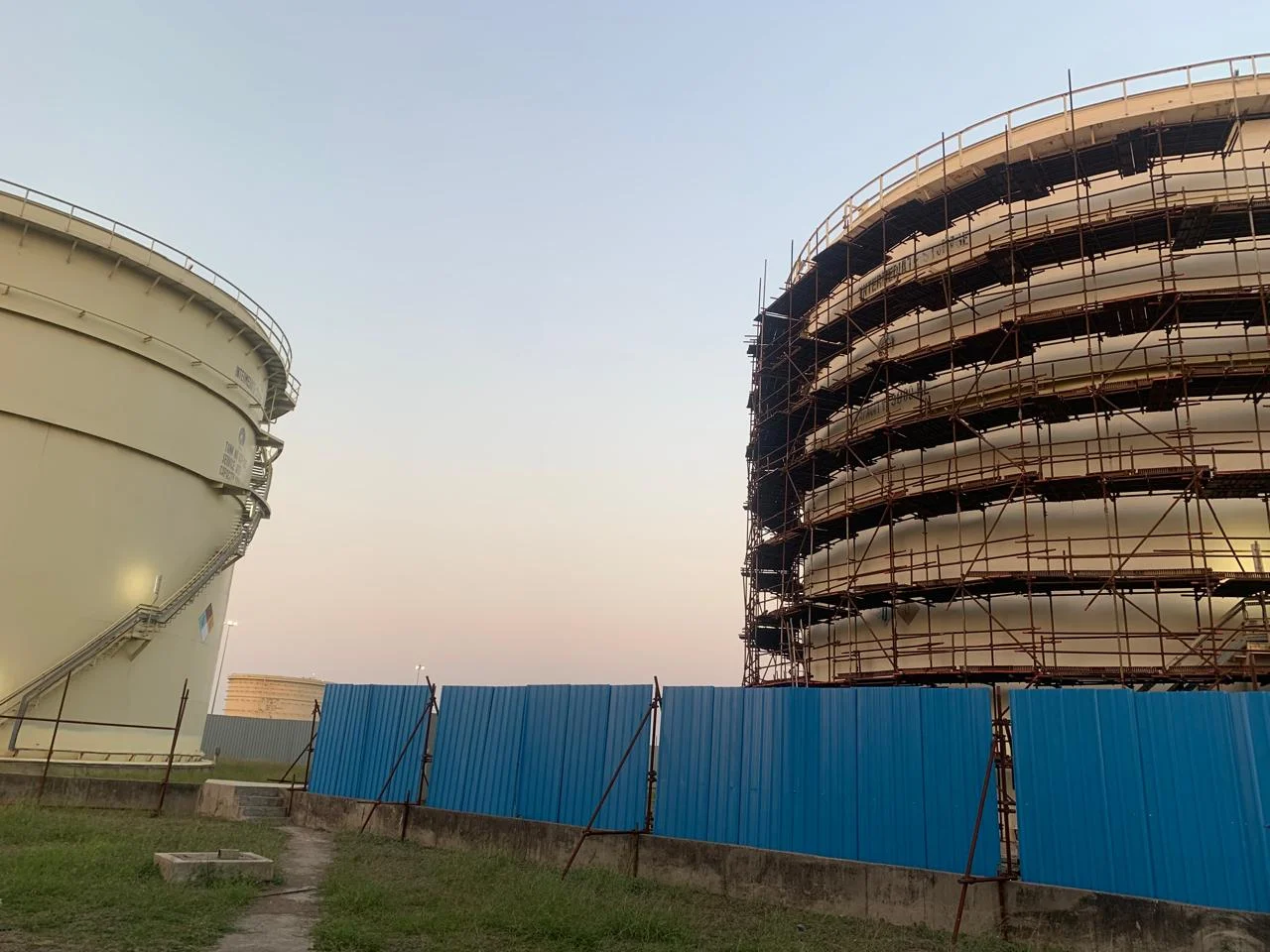
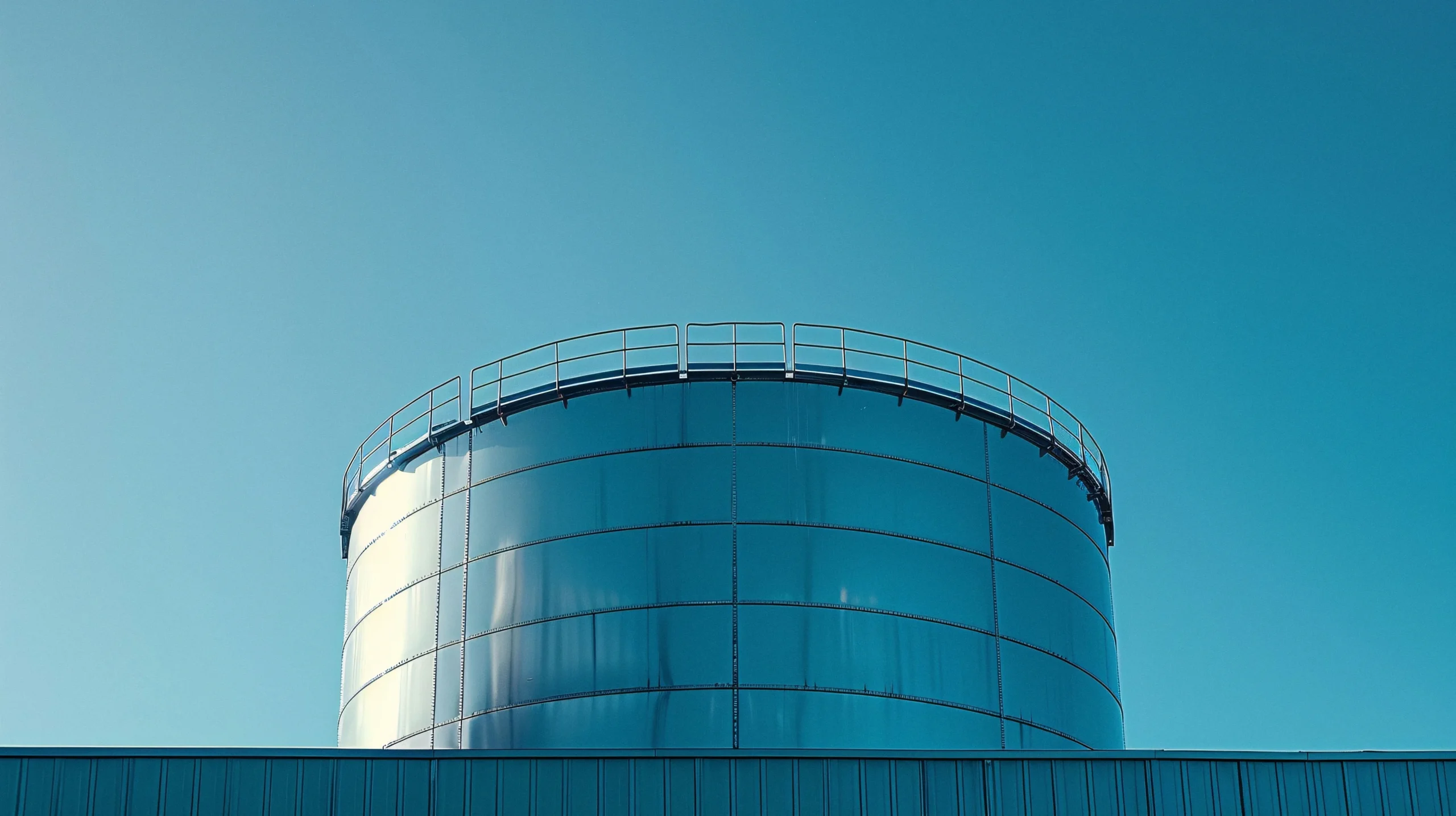
Storage tanks are large, engineered containers used in refineries to hold crude oil, intermediate products, and finished fuels under atmospheric or pressurized conditions. They serve as critical assets for inventory management, process buffering, and product segregation, and are designed to meet stringent safety, environmental, and operational standards.
Structures
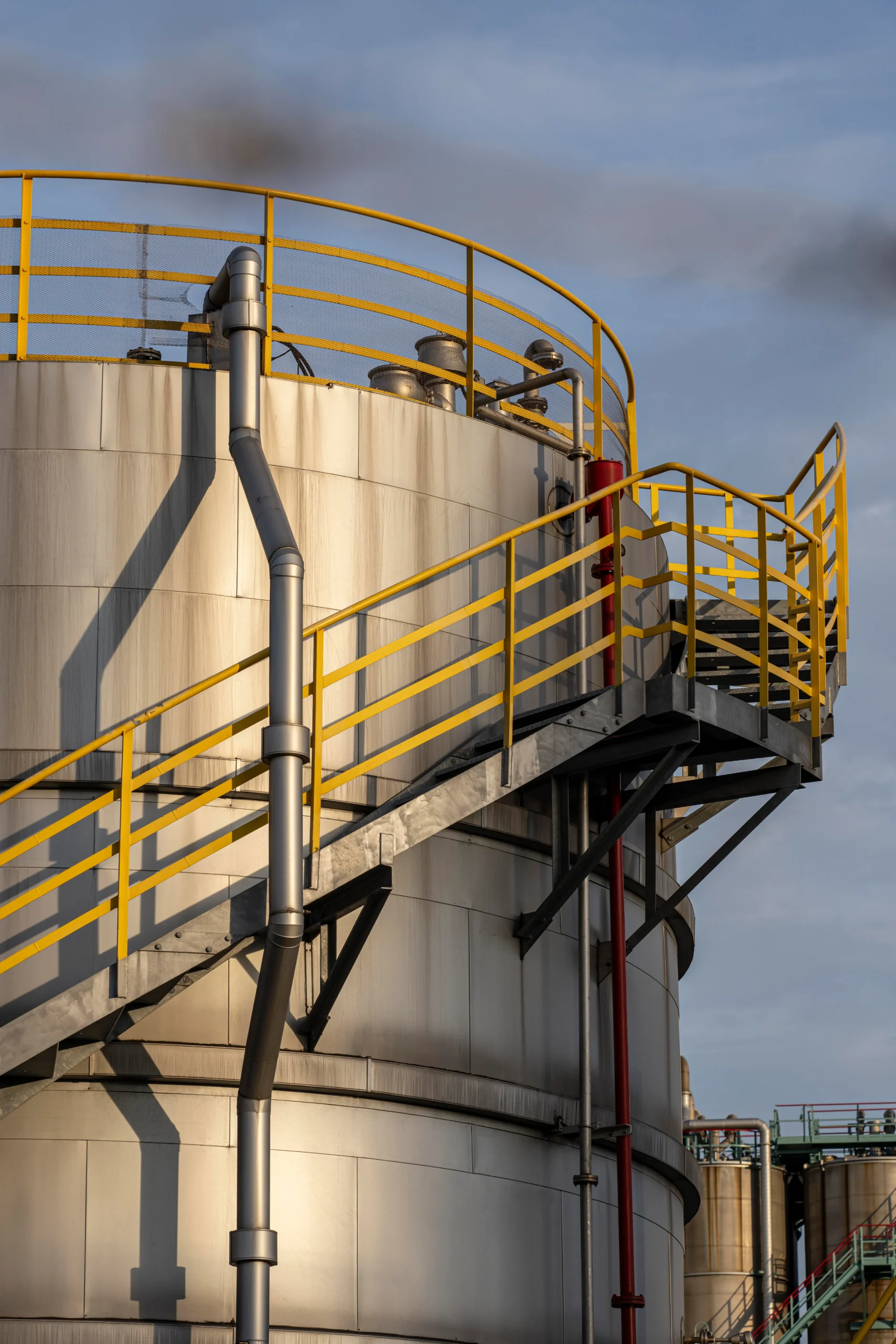
In refinery operations, structures refer to the engineered steel frameworks and support systems that provide physical stability, access, and protection for process equipment, piping, and personnel. These include pipe racks, platforms, stairways, walkways, equipment foundations, and shelters, all designed to withstand operational loads, environmental conditions, and safety requirements.
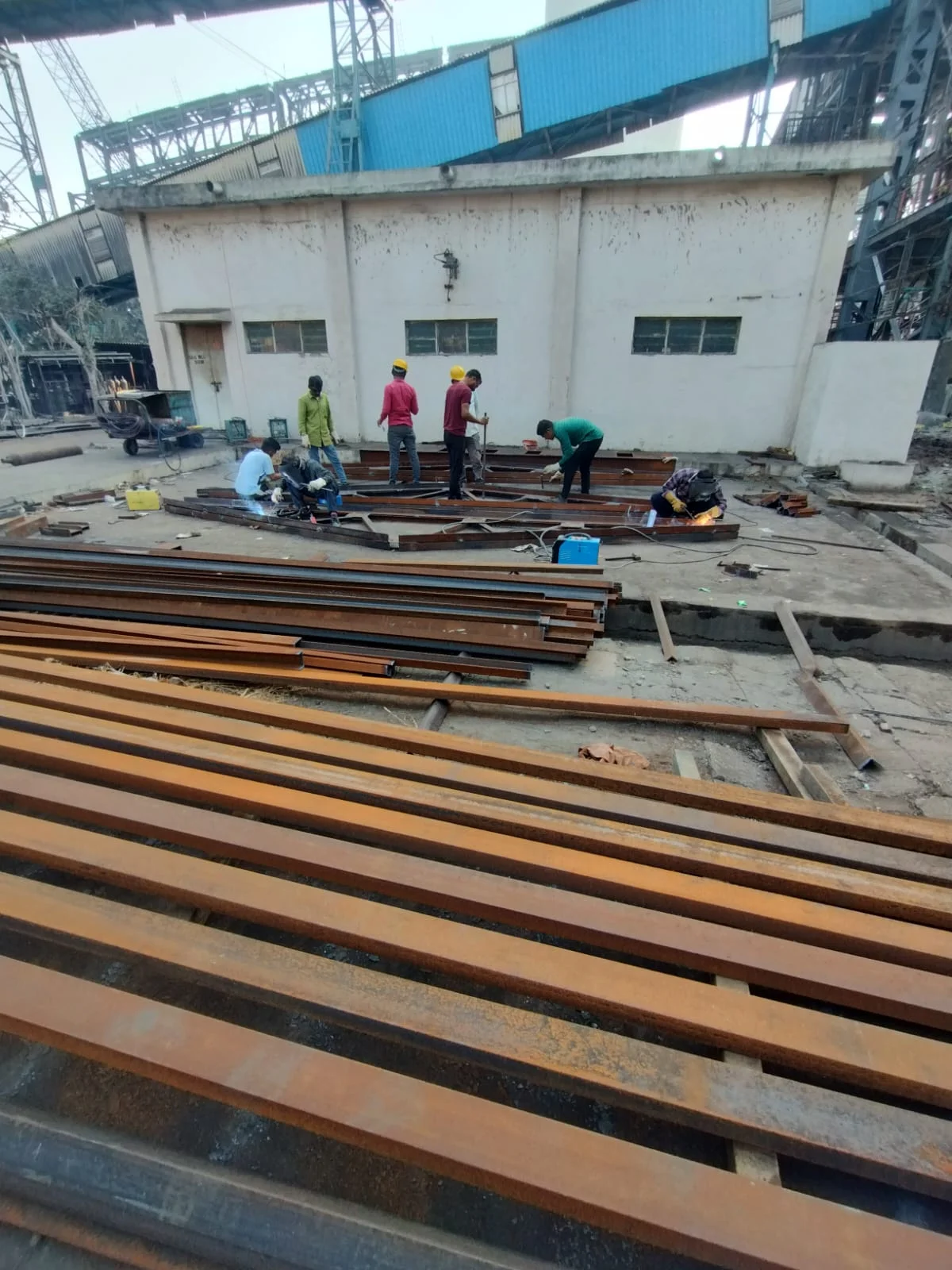
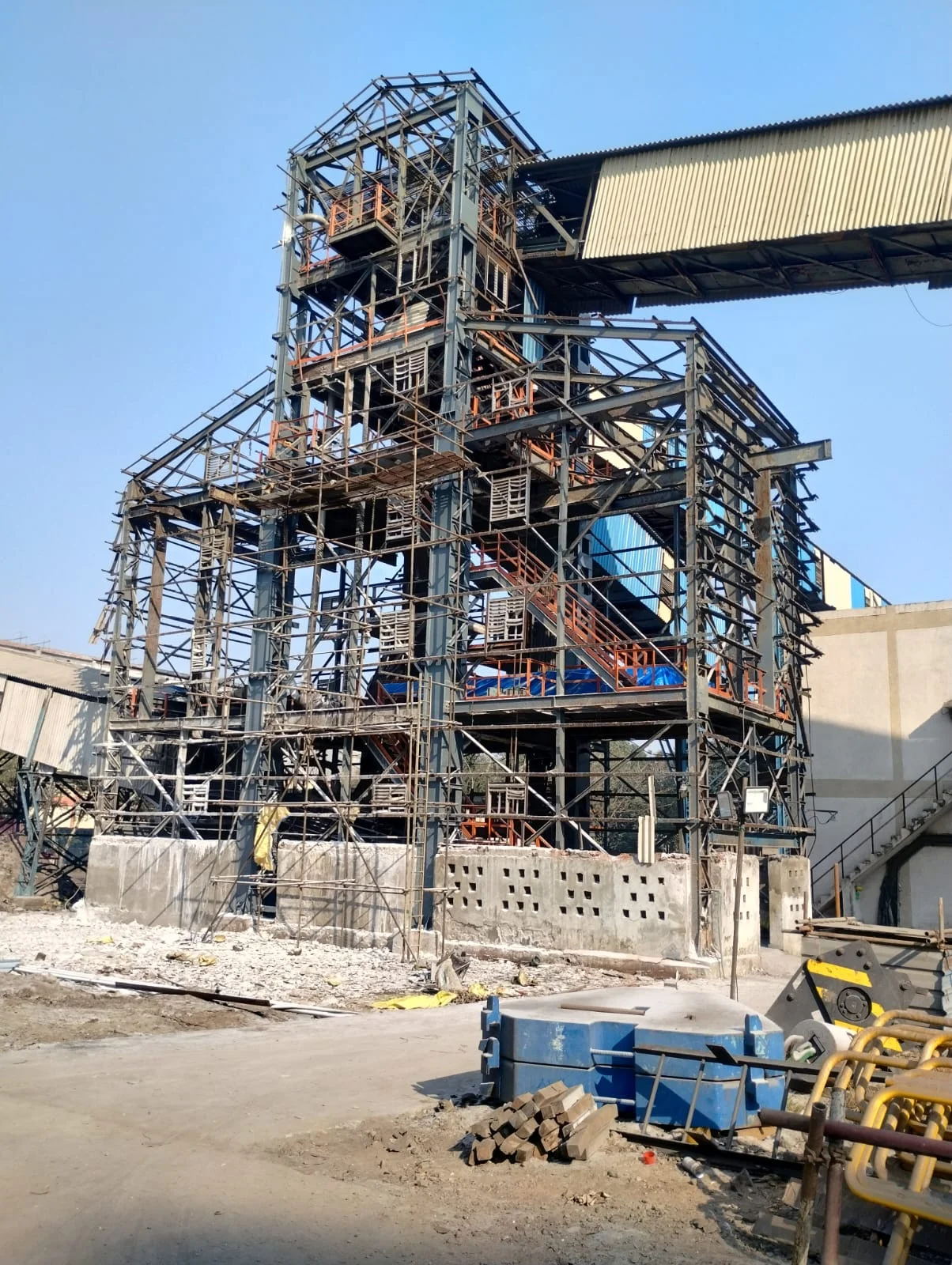
Structural systems in refineries are essential for safe and efficient plant functioning. They support critical equipment such as columns, reactors, heat exchangers, and tanks, while also facilitating maintenance access and operational mobility. These structures are typically fabricated from carbon steel or galvanized steel and are designed in accordance with IS, ASTM, and API standards to meet load-bearing, wind, and seismic criteria.
Piping
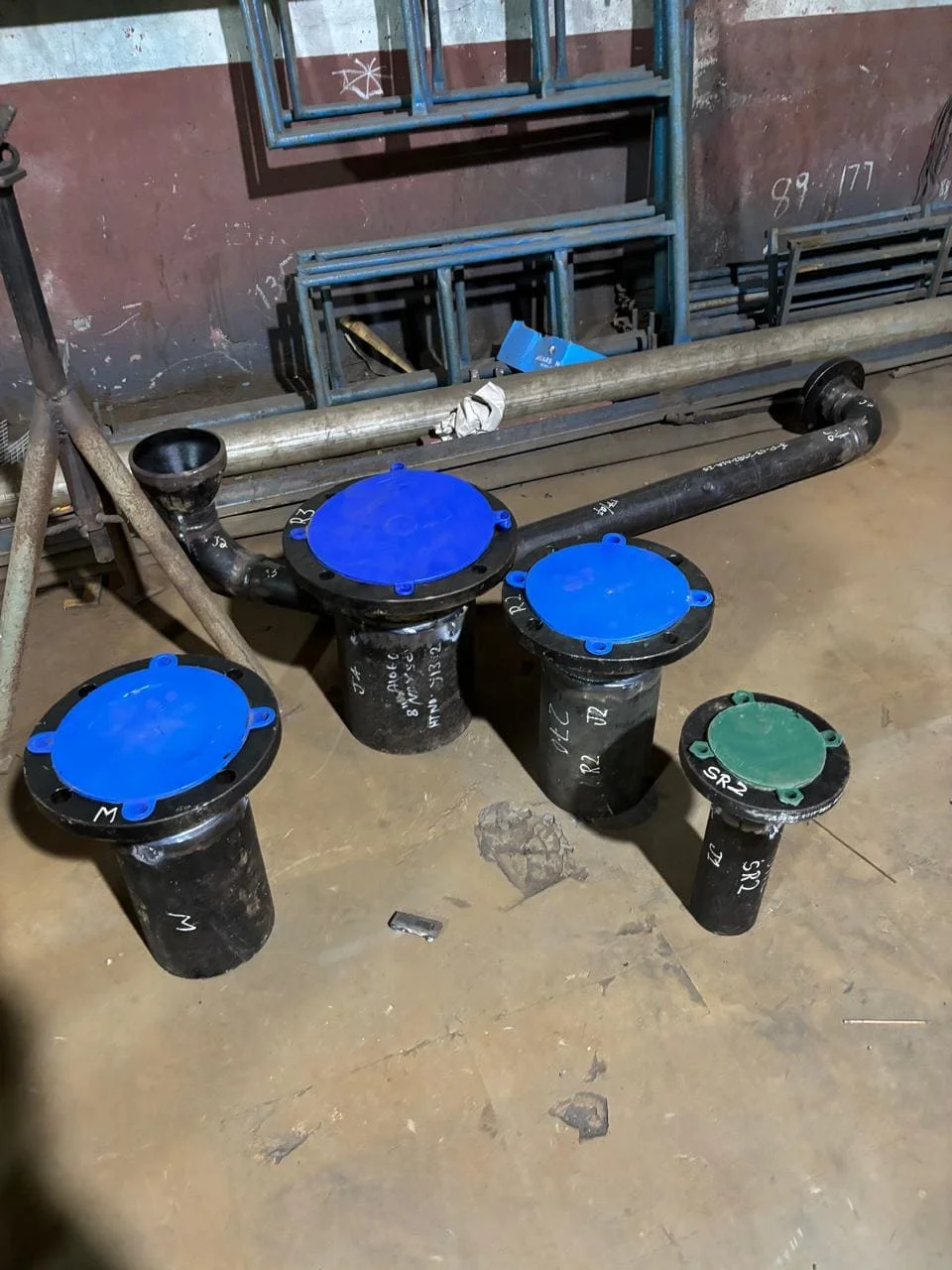
In refinery operations, piping systems are engineered networks of pipes, fittings, valves, and supports that transport fluids—such as crude oil, steam, chemicals, and gases—between processing units, storage tanks, and utility systems. These systems are designed to operate under varying pressures, temperatures, and corrosive conditions, and are governed by strict codes such as ASME B31.3 and API standards.
Piping systems are the circulatory backbone of any refinery, enabling the safe and efficient movement of process fluids across complex operational zones. These systems include process piping, utility piping, and instrument lines, fabricated from carbon steel, stainless steel, and exotic alloys depending on the service conditions. Over time, piping networks are subject to wear, corrosion, vibration, and thermal stress, requiring regular inspection, maintenance, and modification.
Scaffolding
Scaffolding refers to the temporary structural framework erected to provide safe access, working platforms, and support during construction, maintenance, inspection, and shutdown activities in industrial environments. In refineries, scaffolding is essential for reaching elevated, confined, or complex areas around columns, reactors, heat exchangers, tanks, and piping systems.